
Blogging Still Delivers, For Google, AI, and Your Customers
In 2026, having a strong online presence is crucial for business success, and blogs still play a key role in achieving this.
But why is blogging essential, and how can it benefit your business as part of a long-term digital marketing strategy?
Google has always favoured quality long-form content — now though, through AI Overviews, that information is the source material search results are built from. AI tools like ChatGPT and Perplexity work the same way.
Addressing what users search for can boost your visibility and convert more potential customers. But how?
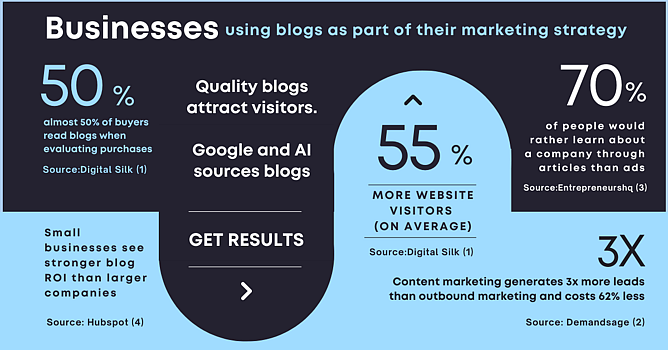
Building Brand Loyalty
One of the most significant benefits of blogging is its ability to foster brand loyalty. Showcasing your brand’s personality helps engage customers on a more personal level and encourages repeat visits.
Regularly posting useful information also helps establish your brand as a trustworthy and credible industry source. For maximum impact, your blog should address what matters to them.
When customers find value in that information, they are more likely to develop a positive association with your brand and hire you in the future.
Raising Brand Awareness
Each new blog post is another source that search engines — both traditional and AI-powered — can pull information from, increasing your visibility online. A well-crafted blog that naturally weaves in relevant keywords boosts your SEO. It also makes it easier for potential customers to find and learn more about you and why you're worth considering.
Engaging, relevant, high-quality content is also more likely to be shared on social media, expanding your reach beyond your immediate audience.
As AI tools become more widely used, the internet is being flooded with generic content that does little more than fill space. Demand for reliable, experience-led information will continue to grow — and quality writing stands out more than ever.

Connecting with Customers
Blogs provide a unique platform to interact with your customers.
Unlike traditional advertising, some blogging platforms facilitate two-way communication, where customers comment and share their thoughts.
Connection Points:
Feedback: Customer comments can provide valuable insights into their needs and preferences. Even addressing negative comments offers improvement opportunities and shows your customers their feedback matters.
Community Building: Engaging with your audience — whether through comments or social shares — helps build a community around your brand.
Customer Relationships: Personalised content can address specific customer pain points, strengthening the relationship between your brand and its audience.
Unlike other digital marketing strategies that offer short-term benefits, blogging provides long-lasting results. A single blog post can continue attracting organic traffic and generating leads for years — as long as you keep it current.

Long-Term Impact:
Evergreen Content: Posts that remain relevant over time and continue attracting readers long after the initial publication date. As popularity wanes, you can update the material; however, if it maintains a good volume of organic traffic, don’t fix what isn’t broken.
Lead Generation: Each blog post offers an opportunity to convert visitors into leads through persuasive calls-to-action (CTAs), including special offers.
Introduce Services: You can link blog posts to relevant service pages on your website to encourage sales and keep visitors engaged longer — both good for conversions and your overall SEO signals.
Cost-Effective: Blogging is relatively low-cost compared to other marketing strategies, providing a high return on investment (ROI).

Using Keywords & Trending Topics
Effective blogs are not just about quantity but quality.
Focusing on trending topics and keywords ensures your content resonates with your target audience and ranks well in search engines.
Content Strategy:
Keyword Research: Identifying and using relevant keywords improves SEO and attracts targeted traffic. Some copy and content writers use paid tools to give their customers a competitive edge. This includes competitor analysis, identifying keywords your competitors rank for that you may not, potential click-through rate, and keyword difficulty. Your own website analytics dashboard, Google Search Console or Google Analytics are valuable data sources, too.
Trending Topics: For blogging to remain beneficial as a marketing channel, you must write about topics users search for. Industry, government, or even global news can provide excellent content ideas — the key is to convey their relevance to your audience. That's where the weight carries it beyond words, and builds you as more of a 'thought-leader'.
Value Addition: Offering unique insights and practical advice makes your blog a valuable resource for readers. Most people turn to search engines looking for information, not just products and services — making your blog a prime opportunity to stand out.
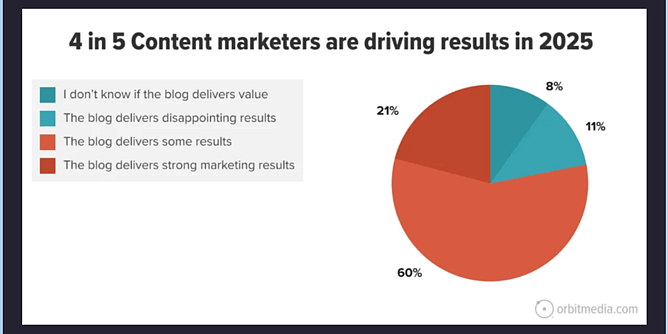
The Strategy Behind a Successful Blog
Most businesses start with "what should we write about?" That's actually the second question.
The first is: what do you want your blog to do? Drive enquiries, build authority, attract a specific type of customer. The goal shapes everything that follows. Without it, you're publishing content and hoping for the best.
From there, it's about knowing who you're writing for and mapping topics to where they are in the decision-making process. Someone just realising they have a problem needs different content than someone ready to buy.
If your blog isn't delivering results, the problem is rarely the writing. It's usually the lack of a clear strategy behind it.
Conclusion
Incorporating a blog into your digital marketing strategy is the smart, cost-effective way to build brand loyalty, raise awareness, and connect with customers. Done well, it puts you in front of the right people — through search, AI results, and the social channels where your content gets shared.
In a world where generic content is everywhere, the human insight and experience behind your writing is what earns trust — from customers and search engines alike.
Struggling to decide on the topic of your next blog?

Maree Gately
Good content starts with a clear strategy. If your marketing isn't delivering, that's where I start — diagnosing what's not working before recommending what to do next. Once the strategy is sound, I can help with execution too, including Website Copywriting & SEO.
Sources: (1) Digital Silk Content Marketing Statistics 2025. (2)Demandsage Latest Data & Trends. (3) Entrepreneurshiphq Content Marketing Statistics (4) Hubspot Marketing Stats
Images: Main image www.freepik.com Frequency image: www.orbitmedia.com. Keyword image: rawpixel.com Customer image: marymarkevichon www.freepik.com