
Is posting more really the answer?
When small business owners tell me their social media isn't working, the conversation usually goes the same way.
They talk about not knowing what to post, running out of ideas, not having enough time and wondering whether anything they're doing is actually right.
And underneath all of it, there's always anxiety: should I be posting more?
Here's what I've noticed after working with many small businesses across New Zealand. The posting isn't the problem. The problem is that most business owners are showing up on social media without really understanding what it's there to do.
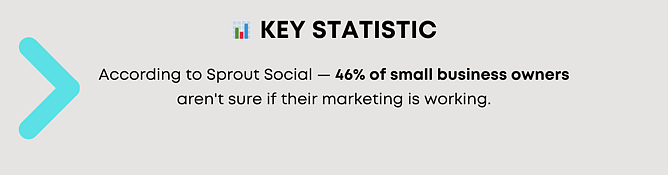
What is social media really for?
Many small business owners think of social media as purely a lead generation tool — a place where you post something and customers appear. That does happen, but rarely on demand. Particularly for service-based businesses, the buying journey can be longer than people expect. Social media works by building familiarity over time, so that when someone is ready to engage, you're already the obvious choice.
At its core, social media is a visibility and trust-building tool. And to understand what that really means, it helps to think about how people actually make decisions today.
How modern buyers (and AI) make decisions
Think about how you'd pick a caterer for your wedding. You wouldn't hand over a deposit based on one Instagram photo of a nice cake. You'd look at their portfolio, read reviews from real people, and check how they show up online. You’re after a better sense of who they are and whether they'd deliver what they promised.
That's not one touchpoint, that's a process of building enough trust to make a decision you feel confident about. Your customers are doing exactly the same thing when they're considering you. And what's interesting is that AI-powered search works the same way.
When someone looks online for a service, the tools they use don't just look at a single source. They're pulling from your website, Google Business Profile, reviews, online forums and social media content. They, too, are trying to build a picture of who you are and whether you're worth trusting.
A business that only exists in one place, or whose online presence is patchy and inconsistent, is harder to read — for people and for AI alike. That hurts your business.

Almost every buying decision comes down to trust
Trust is how people feel about your business before they've ever spoken to you. It's shaped by everything they see online — your website, your Google Business Profile, a post shared in a local community group, your Facebook page.
What they find there either confirms their interest or quietly talks them out of it.
That's the real job of social media. Not just to get you in front of new people, but to make sure that when the right person finds you — warm lead or cold prospect — what they see makes them feel confident enough to reach out.
When frequency is not the actual issue
The most common mistake isn't posting too little. It's posting without a clear sense of what you're trying to communicate or who you're talking to.
Content that's posted out of obligation, because you know you should be showing up, tends to look like it. The tone is inconsistent, the message is unfocused, and it doesn't give a potential customer any real sense of what makes your business worth choosing. Why pick you over someone else?
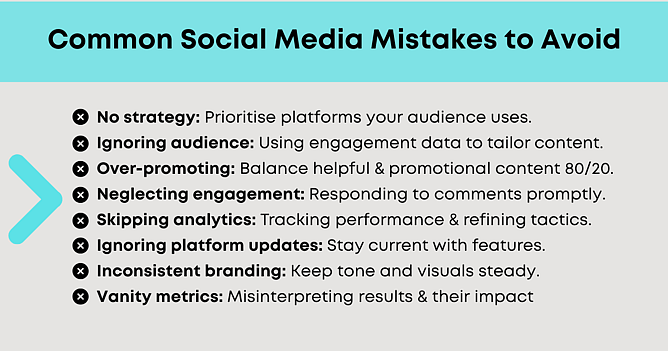
When tactics to grow your followers work against you
The other common mistake is chasing the wrong metrics. Follower counts feel like progress, so tactics that grow them quickly, like running competitions that force people to follow your page to enter, can seem smart. And notice I said, seem.
But an audience that followed you for a prize isn't an audience that cares about your business. What might seem like an instant win quietly works against you – and you may not even realise.
When they don't engage with your content, the algorithm interprets that as a sign your posts aren't worth showing to anyone else.
You see, the playing field changes; when you post something, your content doesn’t go to all your followers. It's shown to a small subset first — think of it as a test audience. If that group engages, your reach expands. If they scroll past, your post stops travelling. It never reaches the people in your own community who might have genuinely valued it and reached out.
A smaller, genuinely engaged audience will always outperform a large disengaged one.
Put yourself in your customer's shoes
Before you post anything, it's worth asking: would my ideal customer actually find this useful, interesting, or reassuring?
People don't follow businesses to have their feed filled with the same promotional message on rotation. They follow because the content gives them something, a reason to trust you, a glimpse of who you are, a useful perspective, evidence that you know what you're talking about.
Social proof matters here, too.
Real results, genuine client feedback, team milestones, and behind-the-scenes looks at actual work build far more credibility than polished graphics alone.
💡 Pro tip: A tradie who posts a before-and-after photo with a genuine client comment underneath is doing more trust-building work than ten branded graphics. It's specific, it's real, and it answers the question every potential customer is asking: can I trust this person to do what they say they will?
This is also why consistency matters more than volume. Someone might see your post today and not be ready to buy for another three months. But if you've shown up consistently in that time — with the right message, for the right people — you'll already be trusted when the timing is right.
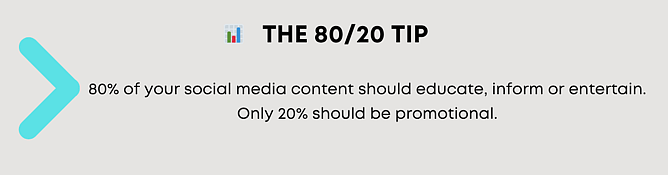
The clarity problem
If you're running out of ideas, posting inconsistently, or genuinely unsure whether what you're doing is right, that's rarely a social media problem. It's usually a clarity problem.
Often, the real problem is a gap between what you want your business to be known for, what makes you genuinely different, and what your marketing is actually communicating to the people you're trying to reach.
When that gap exists, every post starts from scratch. There's no thread connecting it to anything. More posting won't fix that — but a clearer strategic foundation will.
Social media works best when it's the expression of something that already exists — a clear sense of who you are, who you're for, and what you stand for.
When that's in place, knowing what to post becomes a lot easier. And what you post starts doing the job it's supposed to do.
That clarity comes from strategy — and if you're not sure what that actually means for your business, start here.
🔑 Key Takeaway
Social media isn't a lead generation switch you can flick on by posting more often. It's a trust-building tool — one part of a bigger picture that modern buyers and AI search both use to decide whether your business is trustworthy.
If you're struggling with what to post, running out of ideas, or unsure whether any of it is working, that's not a social media problem. It's a clarity problem. And clarity comes from strategy, not from a busier content calendar.
Not sure what your social media should actually be communicating? That's worth a conversation. Let's chat.
Frequently Asked Questions
Does posting more on social media increase my reach?
Not necessarily. Posting more without a clear strategy can actually work against you. When your content doesn't resonate with your audience, engagement drops — and the algorithm interprets low engagement as a signal to show your posts to fewer people. Consistency and relevance matter far more than volume.
How does AI search use my social media content?
AI-powered search tools don't rely on one source to assess your business. They pull from multiple touchpoints: your website, Google Business Profile, reviews, online forums, and social media, to build a picture of who you are and whether you're credible. A consistent, active presence across platforms signals that your business is established and trustworthy. A patchy or inconsistent one makes you harder to read, and harder to recommend, so less likely to show up in their results.
How do I know if my social media is actually working?
Follower count is not the only measure of success; often, your content engagements come from non-followers (so that’s actually a good sign that you're growing your reach). A better question is whether your social media is building trust with the right people — potential customers who find you, check your profile, and feel confident enough to get in touch. If you can't clearly articulate who you're talking to and what you want them to think, feel, or do after seeing your content, that's worth addressing before you worry about reach or engagement numbers.

Social Media Management for Small NZ Businesses
✨ Social media works best when it's part of a bigger strategy — not just filling a feed. I work with small Kiwi businesses to create practical, strategic content that engages your audience, builds trust, and grows your brand online.
Whether you need a 1:1 training or ongoing management, let's talk about what would actually make a difference for your business.
📞 Call for a free chat. Or, if you’re in Whangārei, the coffee's on me!